How to Spot Fake Job Listings Before You Apply
A polished job advertisement is not proof that a vacancy is real.
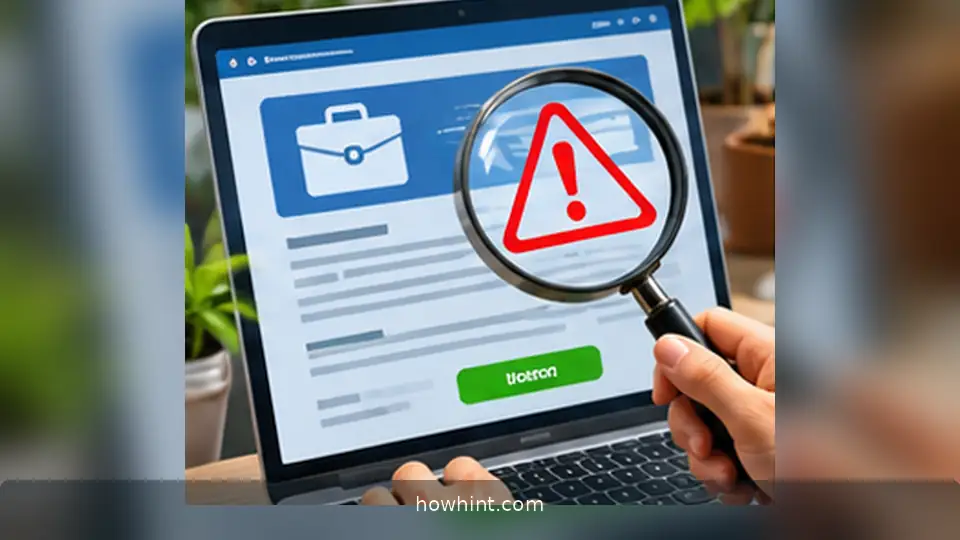
Check a recruiter, confirm the employer, and protect your personal details before applying for an unfamiliar job.
Verify the vacancy independently
Open the employer’s official website by typing its address yourself, rather than following the job advertisement’s shortened link. Look for the same vacancy on the employer’s careers page. If it is not listed, contact the organisation through a telephone number or email address published on its own website.
Check whether the job title, location, contract type and closing date agree across sources. A copied company logo or professional-looking invitation can appear in a fraudulent listing, so treat appearance as weak evidence.
Examine how the recruiter communicates
Check the complete sender address, not just the display name. A personal mailbox, a lookalike domain or urgent messages asking you to move to a chat app deserve extra scrutiny. Legitimate recruitment practices differ by employer, but a recruiter should be able to explain the role and identify the organisation they represent.
Search the company name together with the recruiter’s name and words such as complaints or scam. Treat anonymous posts as leads to investigate, not automatic proof either way.
Protect money and identity documents
Do not pay a registration, equipment, training or release fee to receive a job offer. Be suspicious of tasks requiring you to deposit money to unlock earnings, buy cryptocurrency, or send back money from a supposed employer cheque.
Do not send copies of identity documents or banking details before there is a credible recruitment process and a verified reason. Use a separate application email account if you wish to reduce exposure, and keep a record of what data you shared.
Use a five-minute application checklist
Record the official company domain, the original job URL, a contact route you verified independently and the advertised role. Compare the salary, duties, location and interview format with credible descriptions of similar work.
If you are uncertain, stop and verify first. A genuine opportunity should not require you to make an irreversible payment or ignore a reasonable identity check.
What to do if you already responded
Stop communicating through suspicious links and do not transfer further money. Change any reused password, enable multi-factor authentication, and monitor relevant financial accounts. If you shared identity material, contact the appropriate issuing institution for advice.
Report suspected job fraud to your local consumer-protection or cybercrime authority. In the United States, the Federal Trade Commission offers examples and reporting guidance.